

Concussion and Traumatic Brain Injury
Overview
A concussion is a mild form of traumatic brain injury (TBI) caused by a sudden blow or jolt to the head or body. It can temporarily affect brain function, leading to changes in thinking, memory, balance, and coordination. More severe traumatic brain injuries may result in long-term neurological damage and disability. These injuries commonly occur due to falls, road accidents, sports injuries, or physical assaults. Early diagnosis and proper medical care are essential for a safe recovery and to prevent complications.
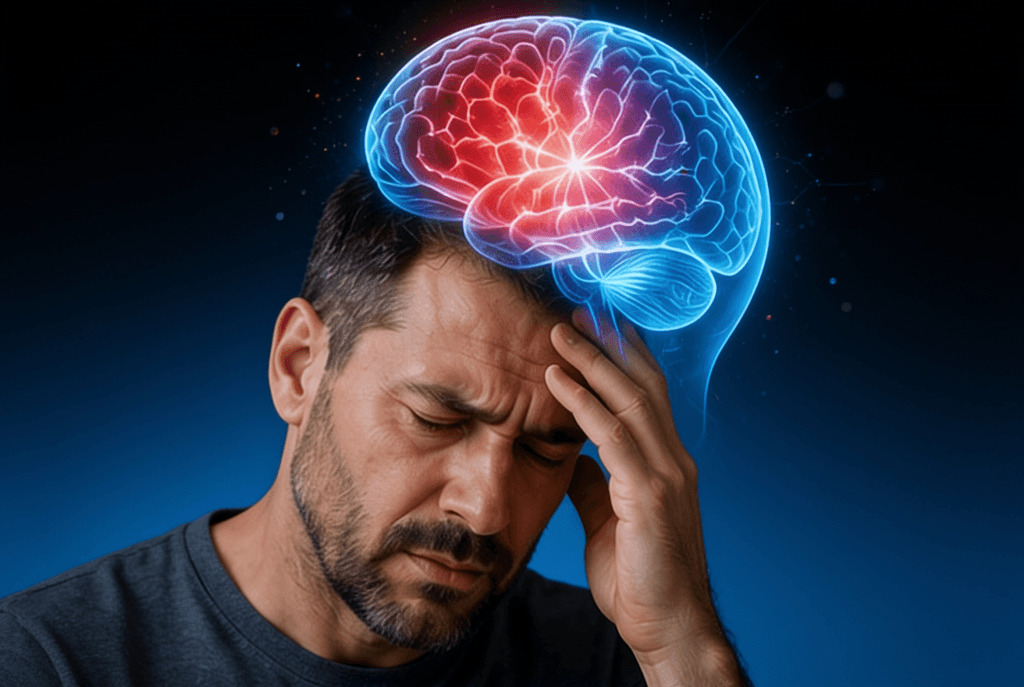
Symptoms
Common symptoms of Concussion and Traumatic Brain Injury include:
- Persistent headache or pressure in the head.
- Dizziness, loss of balance, or difficulty walking.
- Nausea or repeated vomiting after a head injury.
- Confusion, memory loss, or difficulty concentrating.
- Blurred vision or sensitivity to light and noise.
- Excessive drowsiness or unusual fatigue.
- Mood changes such as irritability, anxiety, or depression.
- Loss of consciousness or seizures in severe cases.
When to See a Neurologist
You should consider seeing a neurologist if:
- Headache worsens or does not improve over time.
- Repeated vomiting occurs after the injury.
- Persistent confusion or memory problems develop.
- Loss of consciousness, even for a short period.
- Weakness, numbness, or difficulty speaking appears.
- Seizures or abnormal body movements occur.
- Vision problems or difficulty maintaining balance persist.
- Symptoms continue beyond a few days or become worse.
Treatment Approach
Concussion and Traumatic Brain Injury treatment may involve:
- Perform a detailed neurological examination and medical assessment.
- Use CT scan or MRI when a serious brain injury is suspected.
- Recommend physical and cognitive rest during the initial recovery phase.
- Prescribe medications to relieve headaches and associated symptoms.
- Monitor for complications such as brain swelling or bleeding.
- Provide rehabilitation therapy for balance, memory, or speech difficulties.
- Advise a gradual return to school, work, or sports under medical supervision.
- Schedule regular follow-up visits to ensure complete recovery and prevent long-term complications.
If you experience frequent Concussion and Traumatic Brain Injury , schedule a consultation with our neurology clinic to receive expert evaluation and personalized treatment.